Fever in children and infants

Fever in children and infants

We all know that fevers are common in children & infants, thousands of children & infants suffer a raised temperature each year for various reasons. The body’s normal temperature is around 37°C. Temperature can however vary according to the time of day and the age of a child or infant.

Generally, fevers happen when your child’s immune system is fighting off infections such as the common cold, coughs and ear infections or even infants suffering with teething.

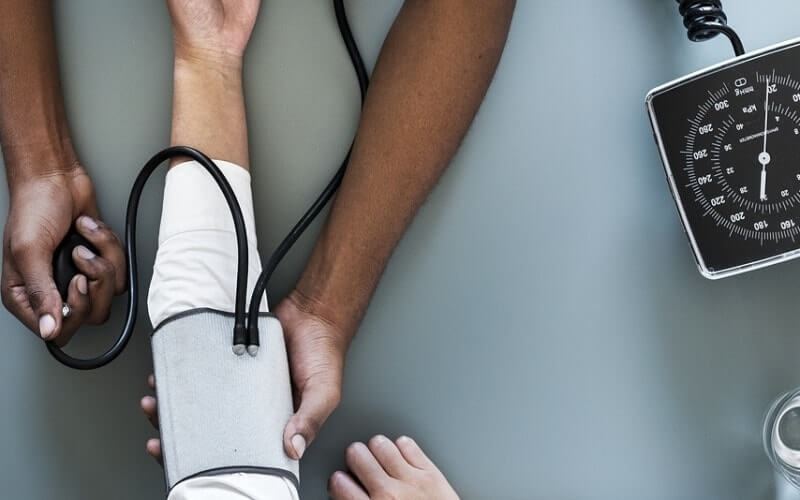
HOW TO TAKE TEMPERATURE IN CHILDREN

♥ ORAL: The thermometer is inserted under the tongue, the mouth is closed and a reading is taken.
RECTAL: The thermometer is gently inserted into the rectum (child’s bottom) and areading is taken.
ARMPIT: The thermometer is placed under the armpit and the arm is held against the side of the body while a reading is taken.
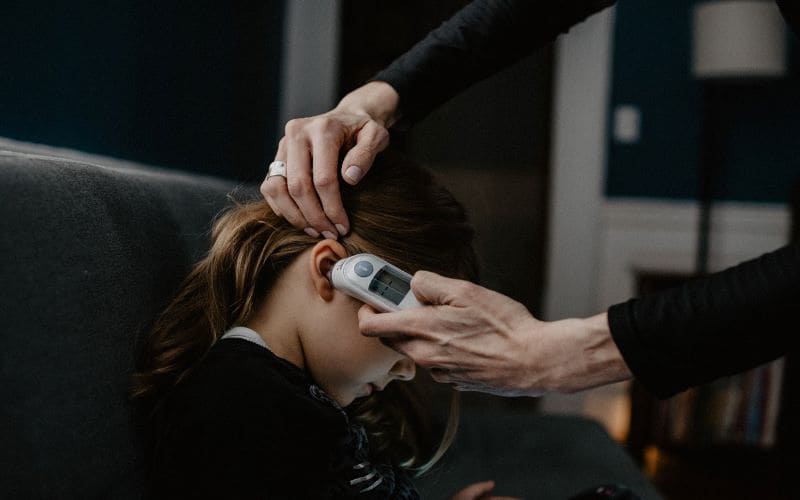
♥  EAR: A digital thermometer is inserted into the ear and a reading is taken.

It is important to remember that the temperatures can vary according to the part of the body where it is measured, so always take the temperature at the same site.


TIPS TO REDUCE FEVER

1. If your child seems unwell or feverish you can consider giving pain relief, such as Calpol (not recommended for children under 3 months) or Panado Paediatric syrup, refer to your child’s physician if the fever gets higher or persists.

2. Dressing the child in light clothing.

3. Keeping your child cool by ensuring a comfortable room temperature -take care not to make the room too cold or too hot.

4. A sponge soaked with lukewarm water or a luke warm bath can help to reduce fever – using a cold sponge or bath can have the opposite effect and can actually raise their temperature.

5. Most importantly, keep the child hydrated.

COLIC IN BABIES

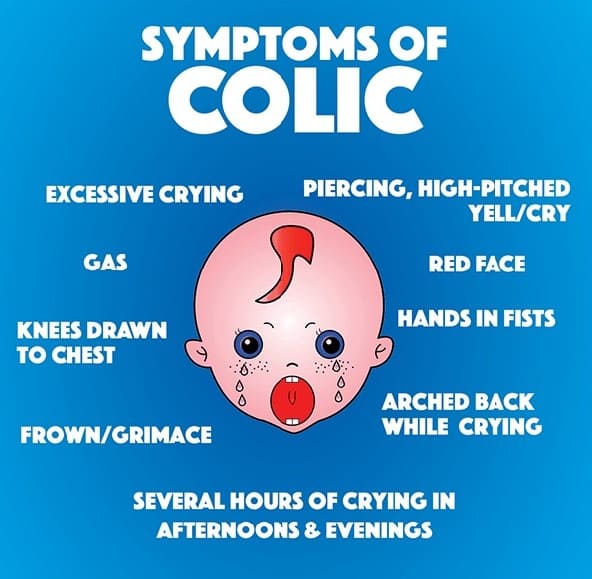
Does your baby show the following symptoms, if so then he/she may have colic:

  • Inconsolable crying.
  • Screaming.
  • Extending or pulling up of his/her legs to his/her tummy.
  • Passing gas.
  • Enlarged or distended stomach.
  • Arched back.
  • Clenched fists.
  • Reddened face after a long episode of crying.
Colic in Babies

Colic is very common in infants which affects about 1 in 5 babies, whether they are formula-fed or breast fed.

The cause of Colic varies and more than lightly can be due to digestion problems or sensitivity to something in the baby’s formula.

Breast feeding: Colic may arise from what a nursing mom may be eating, in which case the nursing mom may have to adjust her diet, it could also be from a formula which could be high in lactose, it may be a good idea to switch formulas to a lactose free formula like infosoy. You may also want to try Gripe water, which is safe for babies and can assist in soothing a crying colicky baby.

Colicky babies are often quite gassy. Some reasons of excess gas include intolerance to lactose, immature stomach, inflammation, or poor feeding technique.

SOME HINTS ON HOW YOU OR YOUR BABY’S NANNY/CARER CAN ASSIST IN SOOTHING YOUR BABY

• Lay them on their back in a darker, quiet room and lightly rub his/her tummy
• Swaddle them snugly in a blanket.
• Lay them across your lap and gently rub their back.
• Put a warm water bottle on your baby’s belly. Be careful that it is not to hot or too heavy
• Have them suck on a pacifier
• Soak them in a warm bath
• Abdominal massage in a clockwise motion can help relieve colic. Moving the baby’s legs up and down may also help easing colic and release excess gas. To perform the abdominal massage, baby needs to be calm so their stomach is relaxed.

By holding the baby in an upright position when feeding may help to reduce the amount of air swallowed. If he/she is bottle-fed it may be a good idea to have a fastflow teat will help to reduce the amount of swallowed air by allowing milk to flow freely when the baby sucks the teat. There are also specialised teas on the market, but these can be rather pricey.

It is very important to burp the baby during and after his/her feed, the secret it patience, some babies take longer to burp.


The world of spice for your health and wellbeing

The world of spice for your health and wellbeing

Often I have I have run off to the pharmacy to purchase over the counter medicine for colds, flu, inflammation and general aches and pains. Often standing in front of the shelves completely confused and reading the fine print for side effects and the different drugs with the same ingredients at exorbitant prices and many have had the displeasure of the negative side effects of some of these over the counter drugs.

I then went back in time and remembered some of my mother and grandmothers kitchen cupboard home remedies.

I have encouraged our carers and nurses at Nursing Services of the North taking care of patients to try some of the below remedies, I must say I have had positive responses such as improved gut health, improved skin condition, less aches and pains, more alert and less cold and flu.

I named just a few kitchen cupboard spices below:

Ginger – Fragrant, tasty and so much more for your health

Ginger Tea – helps morning sickness and nausea and has been known to lower blood sugar levels and improve various heart disease risk factors in people with type 2 diabetes.

Ginger Hot Toddy – is an excellent antioxidant, detox and defiantly wards off colds and flu You will need, Fresh ginger (peeled and chopped) cinnamon sticks, turmeric fresh(peeled and chopped) lemon pieces and honey mixed together in a pot add water and boil on a low heat. . I make a pot for of this tea to last me the for at least 5 days having one cup per day If you do not have fresh produce – don’t stress – you can use the powder version from your spice cupboard.

Ginger tablets – can be taken every day for general well being and can be purchased rom any pharmacy.

Essential Ginger oil – is proven to be an excellent anti inflammatory and assists with the aches and pain of osteoporosis, rub a few drops over the affected area for the relief of pain.

Ginger also speeds up emptying the stomach which can benefit patients suffering from indigestion and other related stomach issues as well as an alternative remedy for several forms of cancer.

Ginger Tea – helps morning sickness and nausea

Turmeric – Has similar benefits to that of Ginger and more

Turmeric body scrub/mask – has a lot of benefits for your skin and when made into a scrub or paste and applied onto the body can assist in the alleviation of acne, inflammation, psoriasis as well as loss of skin elasticity.
Depending on how large the area you are wanting to treat – you will need honey,turmeric, lemon juice(if desired) – mix into a paste and apply, leave on for 20 minutes and rinse off with warm water.
Did you know that Turmeric has the potential to improve heart health and can assist in the prevention of Alzheimer’s and cancer.

Turmeric tablets – can be taken every day for general well being and can be purchased rom any pharmacy

Cumin – Fragrent and nutty with a whole bang of health benefits

Cumin Water generally known as Jeera water– Does not have any side effects and unless consumed in excess (like anything else in life) – Cumin is known to help in digestion and boosting your immune system as well as assist with weight loss. If using it for weight loss have a warm cup on an empty stomach every morning.

You will need – Tablespoon of cumin seeds crushed or ( cumin powder spice) in water, bring to a simmer and reduce to half, if using cumin seeds strain before drinking.

Much like Ginger and Turmeric, Cumin also has anti cancer properties and also has an anti inflammatory effect. It can help treat diarrhoea, helps control blood sugar and fights bacteria and parasites.

Cumin seeds – Also helps with bloating and can provide relief from indigestion and acts as a natural painkiller
Cumin tablets – can be taken every day for general well being and can be purchased from any pharmacy

Cinnamon has natural antioxidants with anti-inflammatory effect

Cinnamon – Tastes delicious but has so much more to benefit your health.

Cinnamon sticks / powder – Can be added to your green tea or ginger tea, the sticks can be crushed in a pestle and mortar to form a powder or you can just add the stick strait into your tea. – refer to Ginger tea above

Cinnamon tablets – can be taken every day for general well being and can be purchased from any pharmacy.

Cinnamon has natural antioxidants with anti-inflammatory effects, it is a natural probiotic which improves gut health and can reduce blood pressure

So before you rush off to your nearest pharmacy to purchase expensive over the counter drugs – rummage through your kitchen cupboard.

I will be back soon with some more kitchen cupboard health and wellbeing remedies

Stroke Recovery assisted by a Carer

Stroke Recovery assisted by a Carer

Stroke affects everybody differently such a paralysis on both sides of the body or one side of the body, losing eye sight or deterred speech.

Many stroke survivors continue to improve over a long time, sometimes over a number of years. Recovery from stroke involves making changes in the physical, social and, emotional aspects of one life. Patients will have to make changes to prevent additional strokes as well as to facilitate a life-long recovery.

Normally rehabilitation is assisted by a carer or nurse (depending on the severity of the stroke) and is about getting back to normal life and living as independently as possible. It involves taking an active approach to ensure that your life goes on. This can mean learning new skills or relearning old ones. It may involve adapting to new limitations and post-stroke conditions. Or it can mean finding new social, emotional, and practical support to live your best life post-stroke.

With good care and support and rehabilitation from our carers and nurses from Nursing Services of there is life after stroke.

Caregivers activity session

Caregivers activity session

Activities treatment schedule with Caregivers:

The 30-minute activity sessions consist of a regular one-to-one interaction with the carer / nurse with the aim of stimulating interest in the environment through touch, verbal communication and social contact. Activities take place with the patient and nurse, family member, sitting in a quiet area, preferably separate from the main environment.

Activities are:
1. Listening to the radio or a music tape
2. Reading or looking at newspaper/magazine/ book/pictures/photographs
3. Playing with cards/draughts/dominoes/jigsaws
4. Writing/drawing
5. Conversing with, talking to the patient
6. Stimulation of smell, eg peeling oranges
7. Eating and drinking, encouraging patient participation
8. Self-care, eg combing hair, doing nails
9. Looking out of the window
10. Encouraging patient to touch and feel, eg rummage bag

Treatment approaches include:

Balance therapy:
This consists of specific exercises to improve balance. These exercises can involve simple tasks like standing on one leg or standing with the feet close together. Assistive devices may be provided to improve safety. Supervised by carer / nurse to assist with balance therapy enables the patient to improve gradually, and the dependence on assistive devices is gradually reduced.

Therapeutic exercise:
Brisk walking is an example of exercises that can improve mobility, muscle tone and blood circulation. The nurse /carer will supervise the patient at all times. Stretching exercises help to minimise muscle tightness.

Massage therapy:
This form of treatment by one of our nurses / carers is primarily aimed at calming the patient and reducing stress level.Patients understandably experience a degree of frustration. Emotions can run high. Verbally calming the patient is useful, but the effect of touch and massage therapy is extremely useful.

Assistance with activities of daily living:
In severe cases, the loss of independence is so significant that a patient cannot bathe or use the bathroom independently. Nursing Services of the North Carers are able to help patients learn to manage these tasks with a combination of exercises and assistive devices.

The benefits of physiotherapy include:

  • Better balance and reduced risk of falls
  • Improved muscle tone and strength
  • Increased independence
  • Planning for assistive devices to enable daily activities
Passive Motion Exercise

What are Superbugs

What are Superbugs

“Generally patients attending hospitals for procedures are sent home as soon as they have recovered and are deemed stable, this is to try and prevent the patient contracting any superbug. Patient can recover in the comfort of their own homes with a carer or nurse (from NSN) to assist in their further rehabilitation. Especially with the elderly who have lower immune systems and are most vulnerable in contracting any of the superbugs”.

Superbug: An informal term for bacteria that has become resistant to antibiotics that usually are used to treat infections, or any multidrug-resistant. So basically Superbugs are strains of bacteria that are resistant to several types of antibiotics. Each year these drug-resistant bacteria infect millions of people all over the world.

A fungus called Candida Auris is spreading around the world at an alarming rate because it is resistant to drug treatments.

Drug-resistant “superbugs” like Candida Auris evolve to resist existing treatments. That makes them exceptionally dangerous.

Every year, hundreds of thousands of people die from antibiotic-resistant superbugs germs that evolve extremely quickly, existing treatment options can’t eradicate them.

But it’s not just deadly drug-resistant bacterial infections that are spreading. We also have to worry about drug-resistant fungal infections as well.

Some experts think our over reliance on pesticides and drugs creates superbugs.

Doctors and researchers are still unsure what causes drug-resistant diseases, but they do know there are different strains of Candida Auris.

Until researchers are able to pinpoint the cause of these drug-resistant diseases, authorities are urging people to use soap and hand sanitizer before and after touching any patients, and reporting cases to public health departments right away.

People with weakened immune systems have a much higher risk for infection.

Typically, Candida Auris affects people with weakened immune systems who are in hospital or have severe illnesses, according to the CDC. In fact, Candida Auris outbreaks have been reported in hospitals and healthcare centres around the world.

Candida Auris worries healthcare experts because it cannot be contained with existing drug treatments. It even has the ability to survive on surfaces like walls and furniture for weeks. Most fungal and bacterial infections can be stopped by using drugs. But with drug-resistant fungi and bacteria evolve so quickly that the treatment meant to target them proves ineffective and allows the dangerous disease to spread.

Drug-resistant diseases are difficult to detect and hopefully research will find away to combat the epidemic.

To make matters worse, many people who carry drug-resistant diseases don’t show any symptoms and spread them unknowingly and eventually can lead to their own deaths as well as others.

More specifically, someone may not realize they have Candida Auris if they are also sick with another illness. Fever and chills that don’t go away following drug treatment are common Candida Auris symptoms, but the only way to diagnose the fungus is through a lab test.

wash thoroughly to prevent the spread of superbugs

What you can a person do to prevent superbug infections

  • Wash your hands and carry hand sanitizer
  • Get recommended vaccines e.g. immune boosters.
  • Use antibiotics properly.
  • Choose animal-based foods that are certified organic and washing all fresh fruit and vegetables
  • Keep healthy by exercising regularly

Cleaning and sanitising thoroughly will prevent the spread of superbugs